Scoliosis is a disease that attacks youth primarily. Around 3% of the American population, or nine million people to be exact, are diagnosed with scoliosis. Most of these patients are in between the age groups of 10 and 15. According to a spine specialist in OKC, females of this age group are more prone to have this spinal condition. Whether a person will require extensive treatment or not depends on the severity of the illness.
What is Scoliosis?
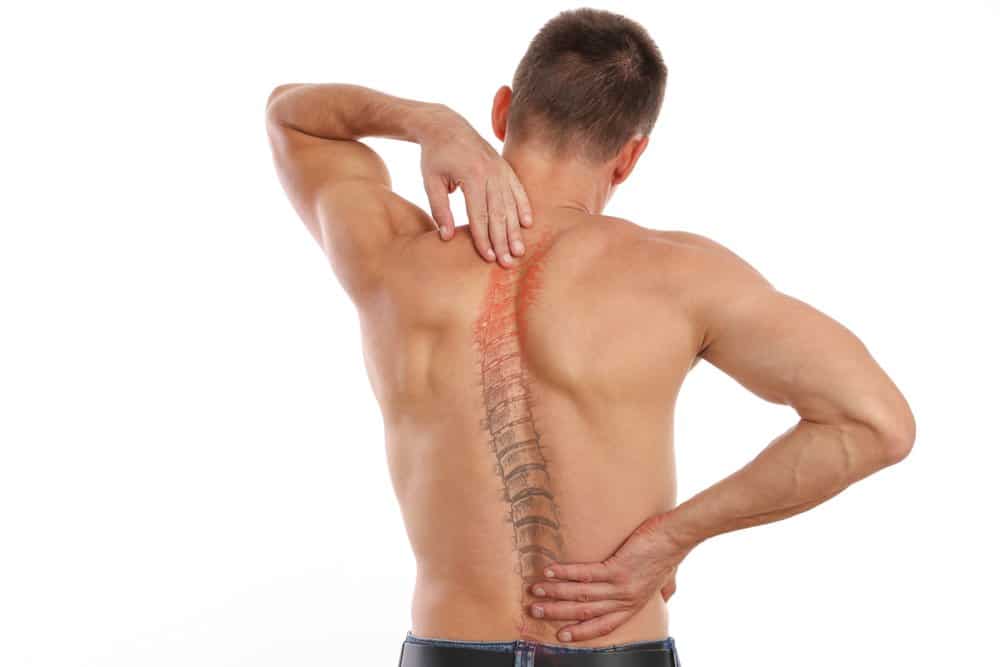
Scoliosis is the condition of the spine where the spine becomes curvy. As mentioned before, scoliosis is mostly diagnosed in the adolescent population. But infants and even adults can also get affected by this illness. Symptoms of scoliosis include a curved spine, back pain, uneven shoulder blades, and hips. Sometimes the unevenness is so prominent that one may notice one of the shoulder blades sticking out more than the other. The ribcage can also be protruding in some severe cases. Even though not a regular occurrence, sometimes malformations during fetal growth can also lead to congenital scoliosis. Other health issues like spina bifida, cerebral palsy or spinal trauma can also cause scoliosis.
Treatment of Scoliosis
As mentioned already, depending on the severity of the condition, scoliosis treatment varies from person to person. However, the first step is always to diagnose the problem, and for that, one needs to visit a back pain doctor. The doctor will evaluate the curve of the spine by assessing the growth pattern. Also, the doctor will diagnose the root cause of scoliosis and start the treatment accordingly.
- Back Brace: You may start the treatment with a back brace. A back brace will not make the spine straight again, but it will definitely stop the spine from getting worse. A back brace is mostly used during the growing age, and a child with scoliosis will be required to wear the brace until they are fully grown.
- Physiotherapy: Another nonsurgical method that can improve the posture of a scoliosis patient is physiotherapy. Physiotherapy helps improve agility while improving the strength of the patient. Initially, physiotherapy can induce pain, but it subsides with regular practice. The back pain doctor may advise over-the-counter painkillers to help with the pain.
- Surgery: Sometimes, there is no other treatment other than getting surgery done. If the patient’s spinal curve is over 45 degrees, a nonsurgical method will not improve the deformity. A spine specialist might propose spinal fusion surgery. It is safe to say that the small bones in the spine are welded together so that when the bones heal, they form a straight single bone. Since the growth of the bones stops after the surgery, the curves get fixed. Oklahoma Spine & Pain Management can help patients with scoliosis get the treatment they need. It is always better to see a doctor who has experience in treating patients with scoliosis.
- Exercise: Spine specialist doctors also recommend some sort of exercise that will help relieve the pain and improve posture. Exercise will not reverse the curve, but it can prevent symptoms from getting worse.
The First Step to Treat Scoliosis
Sometimes the symptoms of scoliosis are mild, and if treated at the right time, one gets well pretty soon. However, the first step to fixing the problem is to see a back pain doctor when there is even minor discomfort in the spinal area. Oklahoma Spine & Pain Management is a medical clinic that has been helping its clients for many years to treat scoliosis and other ailments.
**Disclaimer: This content should not be considered medical advice and does not imply a doctor-patient relationship.