Surgery for sciatica is generally optional, which means it is the decision of the patient whether to have an operation or not. Sciatica is also handled by DIY methods, such as over-the-counter medicine, treatment with heat and ice, and/or stretching at home and exercise. Although this may help to soothe the sciatica pain for the time being, pain may sometimes recur or even develop over time.
Read about the prevalent factors that can influence your treatment plan and the importance of accurate diagnosis for your disease. Visit a reputable pain management clinic without delay.
The Treatment of Sciatica Depends on the Root Cause
Care needs to be directed to the actual cause to effectively regulate sciatica instead of using methods to mask the discomfort. Sciatica is the symptom of an ongoing medical condition. Therapy for a herniated disk, for example, can prevent a nearby sciatica nerve root from getting irritated or compressed, relieving sciatica pain.
A Proper Medical Diagnosis Is Critical
The therapies for sciatica differ according to the cause. For instance, the stretching recommended for treating a lumbar herniated disc often differs from the treatments recommended for treating lumbar spinal stenosis.
Your doctor can devise a recovery plan tailored to your needs by accurately diagnosing the underlying cause of your Sciatica.
Therapy Is Always a Trial and Trial-and-Error Cycle
Although some people could benefit greatly from non-operative procedures, such as physical therapy, others may not receive much relief from such treatments. Due to its uniqueness, each person’s body, and personal circumstances, treatment results may vary, making the process of finding the proper treatment a test and error, including occupational ergonomics and stress, and socio-economic conditions.
Usually, sciatica diagnosis begins with non-surgical techniques.
- Most people experiencing sciatica typically benefit from physical therapy and/or fitness plans, including expansion, aerobic exercise, and cardiovascular workouts.
- In addition to these treatments, a short course of prescription or over-the-counter medicine can be taken.
Sciatica that occurs for over 12 weeks may be less receptive to care, whether chronic or recurrent. If physiotherapy is not effective, your doctor may prescribe minimally invasive treatment methods such as epidural injections or radiofrequency ablation if you cannot minimize your sciatic symptoms through exercise. Surgery for sciatica is voluntary and should only be considered after several weeks of non-surgical procedures or when the condition worsens and affects day-to-day activities significantly.
Does Sciatica Need Surgery?
Surgery may be necessary if the causes of sciatica are severe conditions, such as cauda equina, tumors, infections, or herniated discs. Surgical treatment helps preserve the function of the leg and improves life quality.
Other cases may be considered as an option, for example, when:
- Different treatment combinations, including physical therapy, oral medications, and injections, have been tried.
- There has been significantly limited functionality, for example, with considerable impairment of daily household activities and/or occupational activities.
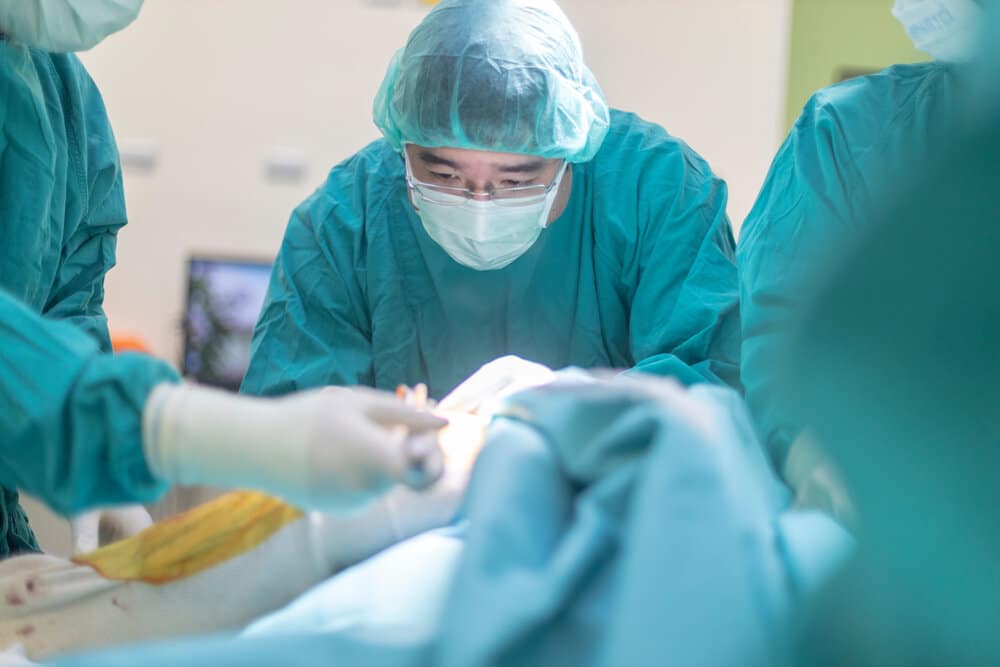
Why Do You Need Surgery?
It can be difficult to make a decision when you are in a great deal of pain. Discuss your postoperative goals with your pain management doctor, particularly those related to pain and activity. Do you expect to return to work and to the fitness center in a week? After the surgery, there may still be dullness, and a risk of sciatica returning to the other vertebra always exists.
Sciatica Surgery Options
Several lower back conditions with many corresponding types of operations can cause sciatica. For instance, depending on the position and causes of impingement, a pinned nerve root may be treated in several different ways.
Common sciatica operations include:
- Microdiscectomy – A small portion of the disc is removed in this operation to reduce the compression of the nerve root.
- Lumbar Decompression – Nerve root pressure can be alleviated by a laminectomy to provide more space for the spinal nerves; part or all of the lamina (the posterior part of the vertebrae) is removed.
Causes of Sciatica
Sciatica has a number of causes, each of which requires somewhat different therapy. The possible reasons include –
- Herniated disc
- Spinal stenosis
- Spondylolisthesis
- Spine degeneration
- A cyst or a vertebral tumor
Though surgery can address most of these causes, it is seldom the first line of treatment. It will depend on the type of surgery.
**Disclaimer: This content should not be considered medical advice and does not imply a doctor-patient relationship.