Back pain is common and can really affect your daily routine. While people often rely on medications and physical therapy, there are some innovative alternatives like acupuncture and Emsculpt Neo that are becoming popular for those seeking effective relief. These two approaches take very different paths: acupuncture eases pain using pressure points, while Emsculpt Neo strengthens muscles and supports the spine. This article breaks down how each method works, its benefits, and which one might be the best choice for your back pain.
Common Causes of Back Pain
Back pain can be caused by many things, including structural issues, lifestyle habits, and underlying health conditions. Identifying the root cause of your back pain is essential in finding relief.
Structural Issues
Several structural issues in the spine can contribute to back pain, including:
- Disk herniations: When the soft material inside spinal disks pushes out, it can irritate nearby nerves and cause pain that worsens with movement. It may also lead to muscle weakness or numbness in the affected area.
- Stenosis: Spinal stenosis is the shrinking of the spinal canal. This condition can put pressure on the spinal cord and nerves that travel through the spine. Symptoms may include pain, numbness, and difficulty walking. Elderly individuals are at a higher risk of developing spinal stenosis.
- Spondylolisthesis: Spondylolisthesis is a condition where a vertebra shifts out of place over the vertebra below it. This can lead to constant pain, stiffness, and, in severe cases, nerve compression that causes leg pain or weakness.
- Facet joint syndrome: This condition is characterized by pain in the facet joints of the spine. These joints, located between vertebrae, allow for smooth movement and flexibility but can become inflamed and irritated.
- Degenerative disc disease: This refers to the deterioration of spinal discs, often due to aging. It can cause pain, reduced flexibility, spinal instability, and chronic back pain.
Lifestyle Factors
Daily habits and activities can also play a major role in back pain:
- Overuse and incorrect use: Repeated heavy lifting and sudden awkward movements can strain the muscles and ligaments in the back. This can occur during physical labor or even routine activities if you fail to maintain proper form.
- Inactivity and poor posture: Sitting for extended periods and maintaining improper posture can lead to back pain. Prolonged computer use, for example, often leads to tension in the neck and shoulders.
- Obesity: Extra weight puts added stress on the spine, particularly the lower back. Over time, this added strain can lead to disk degeneration and joint problems.
- Weak core muscles: Weak core muscles may fail to support the spine adequately. This imbalance may result in increased pressure on the lower back, causing discomfort and stiffness.
- Inflammation: Chronic inflammation in the body can contribute to muscle and joint pain in the back. This can result from dietary factors, stress, or autoimmune conditions.
Other Causes
Sometimes, back pain stems from less common but more serious issues, including:
- Infections: Spinal infections can lead to severe pain and require prompt medical attention. Such infections are rare but may result from surgery or systemic illnesses.
- Tumors or bone spurs: Tumors and bone spurs pressing on nerves can cause persistent, localized pain, along with numbness and weakness in the affected areas.
- Aortic aneurysm: An aortic aneurysm is a bulge in the aorta, the largest blood vessel in the body. Intense back pain can indicate that the aneurysm is about to burst and requires immediate medical attention.
- Kidney infections or kidney stones: These conditions can cause referred pain in the back. Other symptoms, such as a high fever and changes in urine, often accompany the back pain.
- Pancreatitis: This condition can manifest itself as back pain, often in combination with abdominal discomfort and digestive issues.
Acupuncture for Back Pain
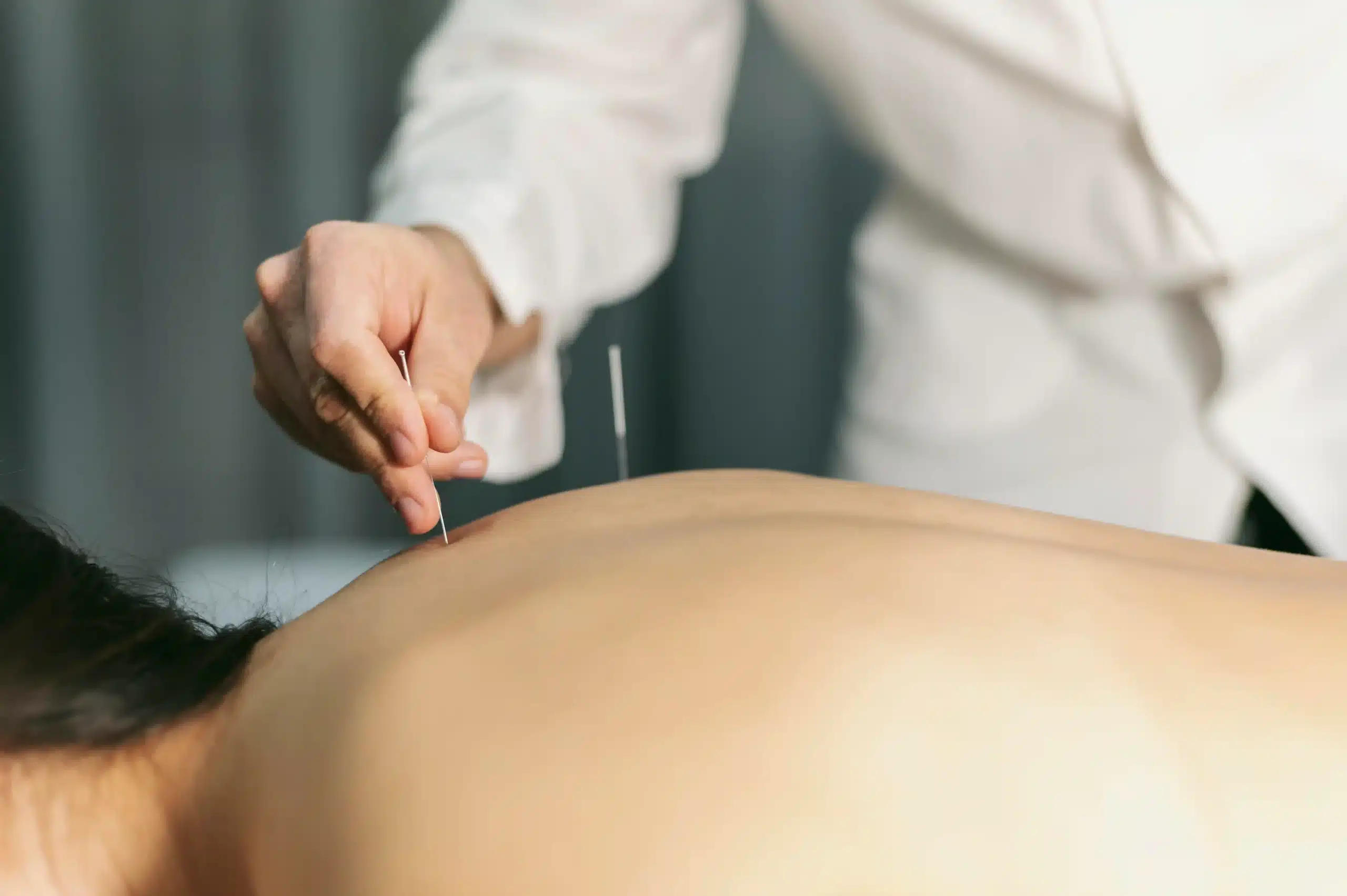
Acupuncture, a traditional Chinese medicine technique, involves inserting fine needles into specific body points. When it comes to lower back pain, acupuncture can help reduce inflammation, boost blood flow, and trigger the release of endorphins, which are natural painkillers. It helps loosen tight muscles, supports healing, and keeps your spine healthy. Acupuncture is often considered a gentle and noninvasive option for lower back pain, and many find it effective when used in conjunction with other treatments.
How Does Acupuncture Help With Back Pain?
Acupuncture has been practiced for thousands of years in traditional Chinese medicine and is increasingly recognized in modern healthcare for its potential to alleviate back pain. It involves inserting thin needles into certain points on the body to stimulate healing and pain relief.
Acupuncture stimulates the central nervous system, prompting the release of chemicals like endorphins, serotonin, and dopamine. These hormones are natural pain relievers and mood enhancers. They reduce discomfort and promote feelings of wellness. By altering brain chemistry, acupuncture changes the way pain signals are processed and perceived. Studies suggest that the effects of acupuncture can last longer than those of conventional treatments like pain medication.
In addition to its hormonal impact, acupuncture may help improve physical function. By stimulating targeted points, it can reduce muscle tension and increase joint mobility. For those suffering from chronic back pain, this can mean an improvement in everyday activities and reduced dependence on other therapies.
Recent research highlights the benefits of acupuncture for specific conditions like sciatica and disc herniation. According to a 2018 meta-analysis published in the Journal of Pain, patients receiving acupuncture for musculoskeletal pain experienced greater relief compared to those who received a “sham” treatment. Such findings support the validity of acupuncture as a complementary treatment for back pain.
Acupuncture Points for Relieving Back Pain
Acupuncturists target specific energy points (also known as meridians) believed to control the flow of energy (Qi) in the body. Acupuncture points are chosen based on the location and nature of the pain.
Acupuncture Points for Lower Back Pain
For lower back pain, acupuncturists often focus on:
- Hip points: These are used to alleviate tension and discomfort in the pelvic area. Tension in this region often radiates to the lower back and legs, so addressing these points can provide comprehensive relief.
- Lower back points: Targeting the lumbar region directly can help reduce pain and stiffness. This area often bears the brunt of poor posture and repetitive strain.
- Hand points: Points like LI4 (Hegu) are commonly used to eliminate overall pain and tension in the body. Stimulating these points can have a systemic impact on discomfort.
- Foot points: Acupuncturists may focus on KI3 (Taixi), which is linked to kidney health and lower back function. Stimulating these points may also promote circulation and help alleviate stress.
- Back of the knee points: Known as BL40 (Weizhong), these points can be used to reduce tension in the back and legs. They are particularly effective for pain that radiates downward.
- Stomach points: Acupuncture points like CV6 (Qihai) are thought to improve core strength and address strain in the lower back, aiding in better posture and muscle support.
Acupuncture Points for Upper Back Pain
For upper back pain, the focus shifts to:
- Shoulder points: These can be used to address tension and pain in the upper spine and shoulder area. By targeting these points, acupuncturists can relieve stiffness caused by repetitive motions or poor posture.
- Arm and hand points: Points such as LI11 (Quchi) are believed to reduce inflammation and pain that may originate in the upper back but extend to the arms. These points are often used to improve overall mobility and alleviate discomfort in connected regions.
By targeting these areas, acupuncturists aim to restore balance and reduce pain through improved energy flow and relaxation. The placement of needles may also stimulate connected nerves, providing additional pain relief and relaxation.
Acupuncture Risks and Side Effects
While acupuncture is normally considered safe, there are some risks and side effects to be aware of. These include:
- Minor bruising or bleeding at needle insertion points
- Temporary soreness or discomfort after treatment
- Dizziness or fainting in rare cases
- Infection if needles are not properly sterilized
It’s important to consult a licensed and experienced acupuncturist to minimize risks. Additionally, patients with certain conditions, such as bleeding disorders or people taking blood-thinning medications, should discuss their situation with a healthcare provider before undergoing acupuncture.
Another consideration is the potential for varied results. While many individuals report significant pain relief, others may only experience minor improvements. It’s important to set realistic expectations and consider merging acupuncture with other treatments, such as physical therapy or lifestyle changes, for the best results.
Emsculpt Neo for Back Pain
Emsculpt Neo is an innovative, non-invasive technology that uses electromagnetic stimulation and radiofrequency to contract your deep core muscles. It helps support your spine, boosts your posture, and makes your core more stable overall. While it was originally designed for body shaping, it can also relieve back pain by safely building core strength without straining injured muscles. For many, it’s a reliable way to feel stronger and more supported in everyday life.
How Does Emsculpt Neo Help With Back Pain?
Emsculpt Neo is all about strengthening the muscles that help support your spine, which can really help ease back pain and boost your overall stability. Here’s how Emsculpt Neo can benefit those dealing with back pain.
- Activates deep core muscles to provide strong spinal support
- Strengthens muscles for proper spinal alignment and stability
- Improves posture, reducing strain on the back
- Enhances overall body mechanics for daily movements
- Increases blood flow to promote healing and reduce muscle stiffness
Emsculpt Neo: Treatment Process
Find out how Emsculpt Neo works to help build up your core muscles and ease back pain in a safe and effective way.
- Consultation and Assessment: Your provider evaluates your back pain, posture, and muscle strength to determine if Emsculpt Neo is right for you.
- Preparation: You are comfortably positioned for the session.
- Session Execution: The applicators deliver controlled electromagnetic pulses and radiofrequency to activate deep muscles. Each session usually lasts about 30 minutes.
- Post-Session Check: Your comfort and any sensations or minor soreness, similar to post-exercise, are reviewed.
- Treatment Series: A series of 4–6 sessions over several weeks is recommended for the best results.
- Maintenance and Follow-Up: Periodic follow-ups or home exercises help maintain muscle strength, posture, and long-term relief from back pain.
Acupuncture vs. Emsculpt Neo: Key Differences
Explore the key differences between Acupuncture and Emsculpt Neo, and find out which one might be better for easing your back pain.
Approach
Acupuncture and Emsculpt Neo relieve back pain in different ways. Acupuncture uses thin needles to stimulate nerves, boost blood flow, and help with healing. On the flip side, Emsculpt Neo uses advanced technology to strengthen your core muscles and support your spine.
Pain Relief
Acupuncture can help give you some quick relief from pain and reduce inflammation, but Emsculpt Neo really tackles the root of back pain by strengthening the muscles that support your back.
Core Strength
Acupuncture helps with pain relief and may reduce inflammation, but doesn’t directly build muscle. Emsculpt Neo, on the other hand, actively strengthens deep core and spinal muscles, improving long-term stability and support for the back.
Session Frequency
Acupuncture usually requires you to go in for weekly sessions to keep feeling good, while Emsculpt Neo usually delivers results in just 4 to 6 sessions, and those effects tend to last longer.
Cost and Value
Acupuncture sessions are usually less expensive per visit, but add up over time due to frequency. On the other hand, Emsculpt Neo might cost more at first, but it helps build muscle, which could mean you won’t have to keep going back for more treatments.
Results
Acupuncture is great for easing pain and relaxation, but it doesn’t really address underlying weakness. Emsculpt Neo takes it a step further by not only relieving pain but also building your core, improving your posture, and helping prevent future back problems.
Ideal Candidates for Acupuncture and Emsculpt Neo Treatment
Acupuncture is a good choice for people who want natural pain relief, stress reduction, or short-term relief from back pain. It’s often used by those who prefer traditional methods or can’t undergo more intensive treatments.
Emsculpt Neo is better for people with weak core muscles, poor posture, or chronic back pain from spinal instability. It’s especially helpful for desk workers, athletes, postpartum clients, and those recovering from injuries. By strengthening core muscles and supporting the spine, it not only eases pain but also helps prevent it from coming back.
Why Many Patients Prefer Emsculpt Neo for Back Pain Relief
Emsculpt Neo doesn’t just mask pain; it goes right to the source, targeting weak core muscles and bad posture. By strengthening those deep muscles and improving circulation it helps your body heal, improves your posture, and prevents future flare-ups. With fewer sessions and minimal discomfort, many people notice better posture, more stability, and reduced pain.
Get Holistic Treatment for Back Pain at Oklahoma Spine and Pain Management
At Oklahoma Spine and Pain Management, we bring together advanced technology and a holistic approach to treat back pain right where it starts. Whether you’re into acupuncture, want to try Emsculpt Neo, or need a custom plan just for you, our friendly team is ready to help you find real relief and get moving again. Why wait? Contact us today to schedule a consultation and start your journey to a life with less pain!
Frequently Asked Questions (FAQs)
What other conditions can acupuncture treat?
Acupuncture can be used to treat various conditions, including migraine, arthritis, anxiety, insomnia, digestive issues, and chronic pain. It is also used for stress relief, fertility support, and managing side effects of cancer treatments.
How quickly does acupuncture work for back pain?
Relief can vary, but many people notice improvement after 1 to 3 sessions. Chronic or severe back pain may require consistent treatment over several weeks for lasting results.
What makes Emsculpt Neo different from traditional therapies?
Emsculpt Neo is not just about masking pain; it uses electromagnetic and radiofrequency technology to strengthen your core muscles, improve posture, and address the root causes of back pain.
Can both treatments, acupuncture and Emsculpt Neo, be combined?
Yes. Acupuncture can relieve pain and tension, while Emsculpt Neo strengthens muscles and stabilizes the spine.
Does strengthening the core really prevent recurring back pain?
Yes, a strong core supports the spine, improves posture, and reduces strain, thereby lowering the risk of future flare-ups.
How many Emsculpt Neo sessions are typically needed for back pain?
Most patients see results after 4 to 6 sessions over a few weeks. You can also have maintenance sessions to help maintain your results for the long term.
Are there any side effects with Emsculpt Neo treatment?
Side effects are minimal. Some patients may feel mild soreness, similar to what you’d experience after a good workout.